
Subgrade separation
Geotextiles can be placed between soft or fine-grained subgrade soil and aggregate layers to reduce material mixing during construction and service.
Geosynthetics are used in road and railway construction to separate soil layers, reinforce weak ground, manage water and improve the stability of aggregate layers and fill structures.
Typical applications include road subgrades, railway formations, embankments, access roads, drainage layers, retaining structures and slope protection.
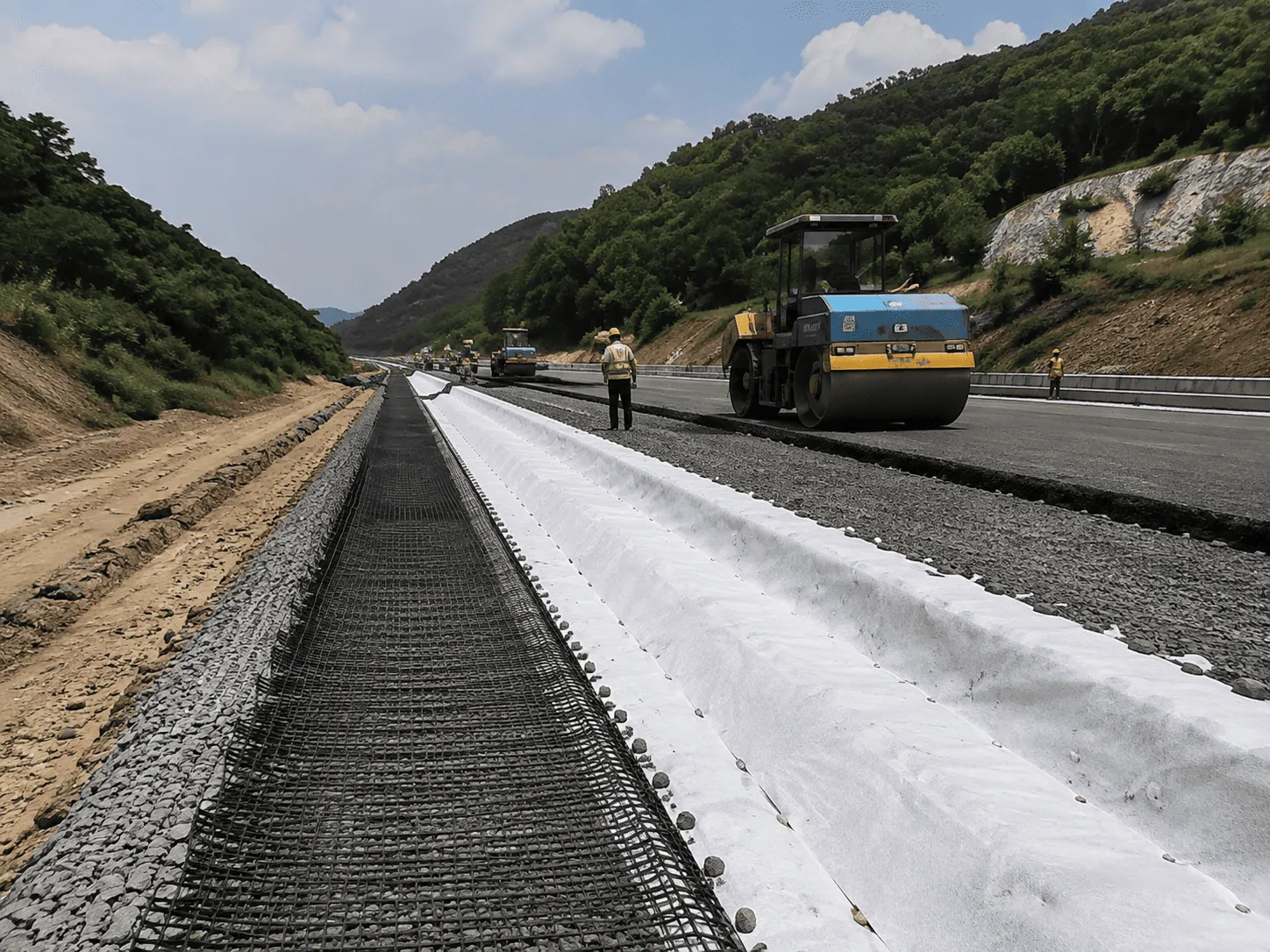
Road and railway projects use geosynthetics at different levels of the structure. The required material depends on the ground condition, layer arrangement, design load and the function the material needs to perform.
Geotextiles can be placed between soft or fine-grained subgrade soil and aggregate layers to reduce material mixing during construction and service.
Geogrids are commonly installed within or beneath aggregate layers to improve confinement and distribute loads over weaker ground.
Geotextiles and geogrids can be incorporated into the foundation of roads, working platforms and railway formations where weak ground makes construction difficult.
Reinforcement materials can be used within fill structures and embankments where additional control of soil movement or stability is required.
Geotextiles and drainage materials can help collect and move water while limiting the movement of fine soil particles into drainage layers.
Geosynthetics can be used as part of drainage, erosion-control or reinforced-soil systems along road cuts, embankments and railway slopes.
The same project may require more than one geosynthetic function. Product selection should therefore begin with the engineering problem rather than the product name.
Geotextiles help keep fine subgrade soil and aggregate layers separated where mixing could reduce the effectiveness of the base structure.
Geogrids provide interaction with aggregate or soil layers to improve load distribution and control lateral movement.
Geotextiles allow water to pass while retaining soil particles where drainage layers meet surrounding ground.
Drainage materials provide a path for water to move away from pavement structures, retaining areas and underground sections.
Geosynthetics can be used to improve construction stability over weak, wet or variable ground.
Selected geosynthetic materials can support erosion-control systems on slopes, drainage channels and exposed soil surfaces.
The function and product combination changes according to the type of transport infrastructure and the ground conditions at the site.
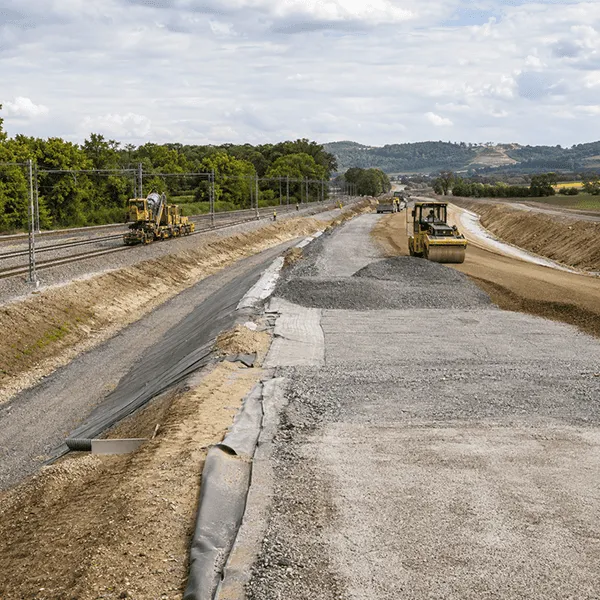
Geotextiles and geogrids can be used beneath pavement structures for separation, reinforcement, drainage and subgrade improvement.
Geosynthetics can be incorporated into formation and drainage layers to separate materials, manage water and reinforce weak sections beneath the track structure.
Where ground conditions are poor or aggregate resources are limited, geosynthetics can help improve the working platform and maintain separation between soil and imported fill.
Geogrids and geotextiles can be used in embankment foundations and fill layers where reinforcement, separation or filtration is required.
Geogrids can be incorporated into reinforced-soil structures, while geotextiles and drainage products can be used behind or around retaining elements.
Geotextiles and geogrids can help form temporary working platforms over weak ground for construction traffic and site access.
Road and railway projects often use more than one geosynthetic product. The products below are commonly used for separation, reinforcement, filtration and drainage in road and railway construction.
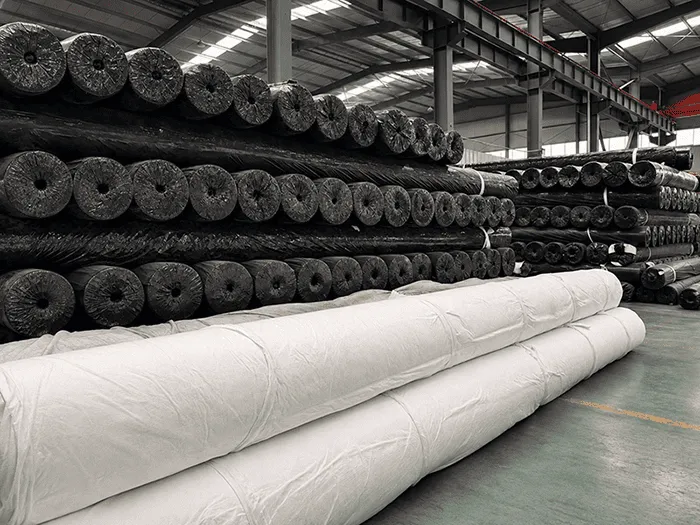
Used for separation, filtration, drainage and protection in subgrades, embankments, drainage layers and other soil-to-aggregate interfaces.
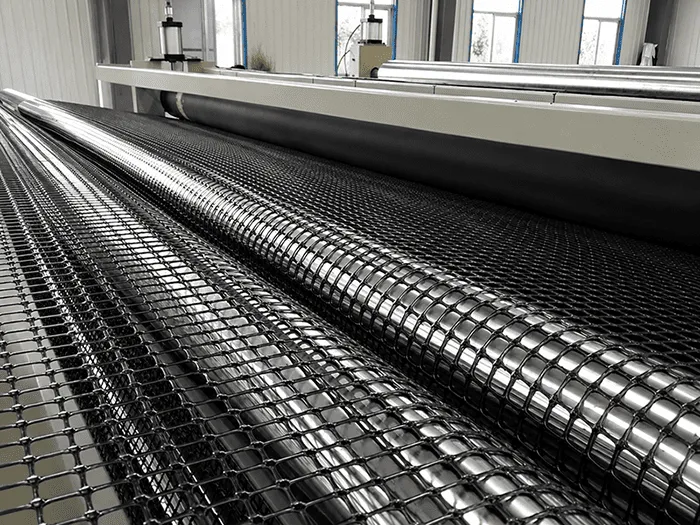
Used for aggregate reinforcement, soil stabilization, embankment reinforcement and reinforced-soil structures.
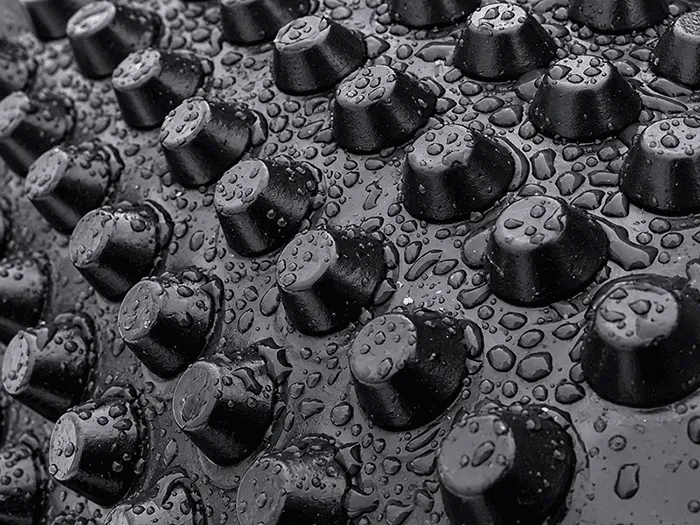
Used where drainage and protection are required around below-grade structures, retaining areas or transport-related underground works.
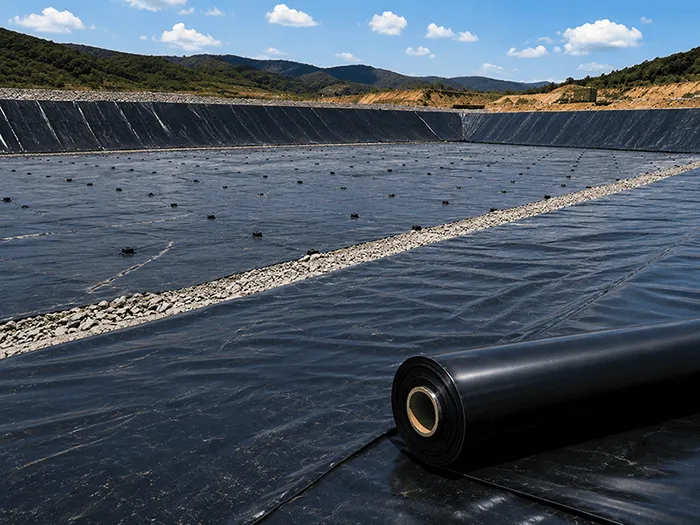
Used in selected road and railway projects where containment, waterproofing or seepage control is part of the design.
Different layers may require different functions, so road and railway structures often use more than one geosynthetic material together.
The final layer arrangement should follow the project design, site conditions and applicable specification.
These details help us review the application, product type, specification and order requirements.
Road and railway projects often require large quantities, multiple roll sizes or phased deliveries. Packing and shipment requirements should therefore be discussed together with the product specification.
Roll width, roll length and unit weight depend on the product type and specification.
Packing requirements can be confirmed according to the product type, shipment method and buyer requirements.
Product labels and order identification can be coordinated before packing and shipment.
Quantity planning should consider roll dimensions, unit weight and container loading requirements.
Commercial and shipment documents are prepared according to the confirmed order and agreed export requirements.
Provide the destination country, port and required delivery period so shipment arrangements can be discussed during quotation.
Send us your product specifications, quantities or project requirements, and our team will prepare a suitable material recommendation and quotation.
Request a quote