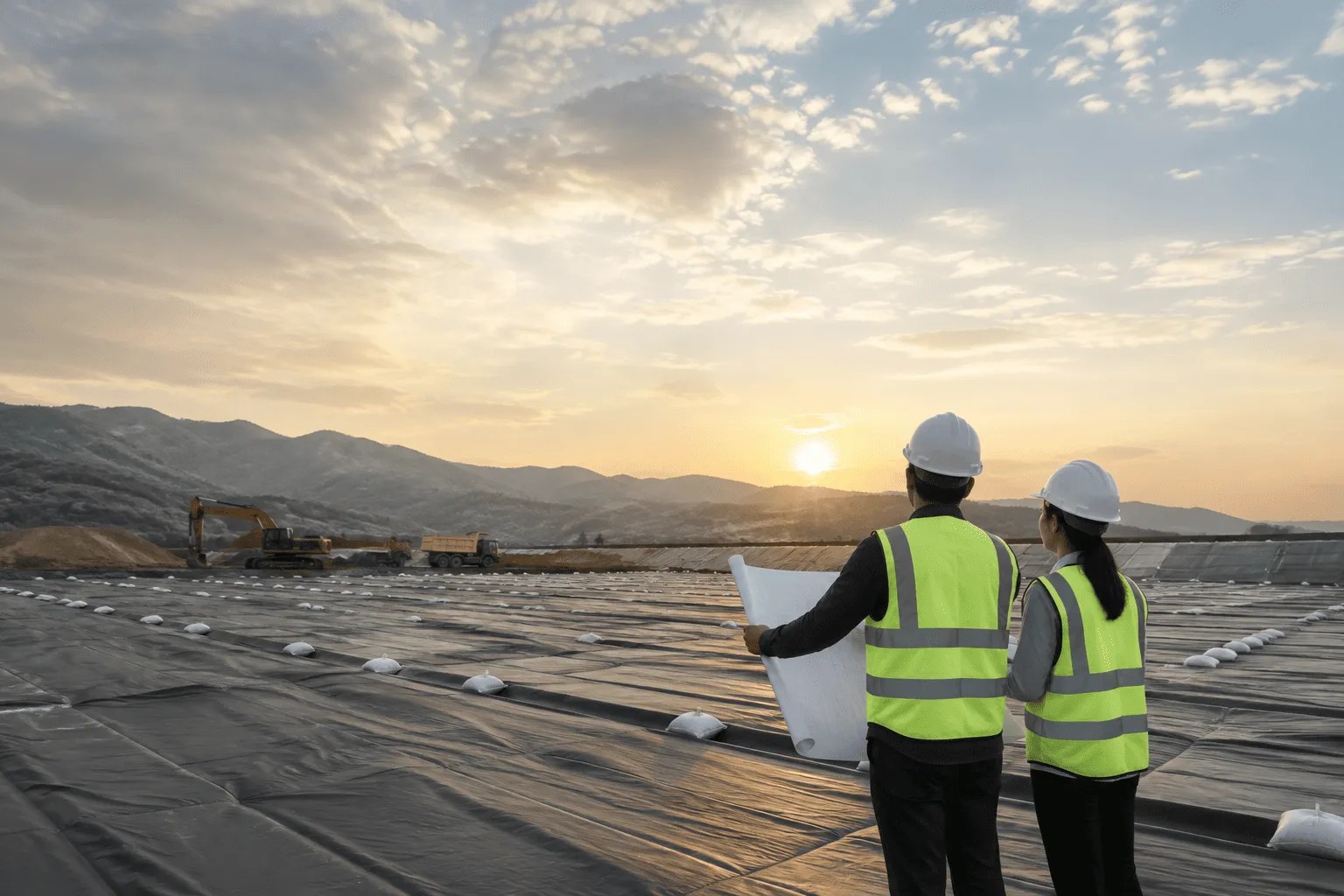
Pond beds and side slopes
Geomembranes can be installed across prepared pond beds and side slopes where a low-permeability lining system is required.
Geosynthetics are used in agricultural and aquaculture projects to contain water, protect lining systems, provide filtration and connect HDPE liners to selected concrete structures.
Typical applications include irrigation ponds, aquaculture ponds, water-storage basins, canals, farm reservoirs and concrete liner connections.
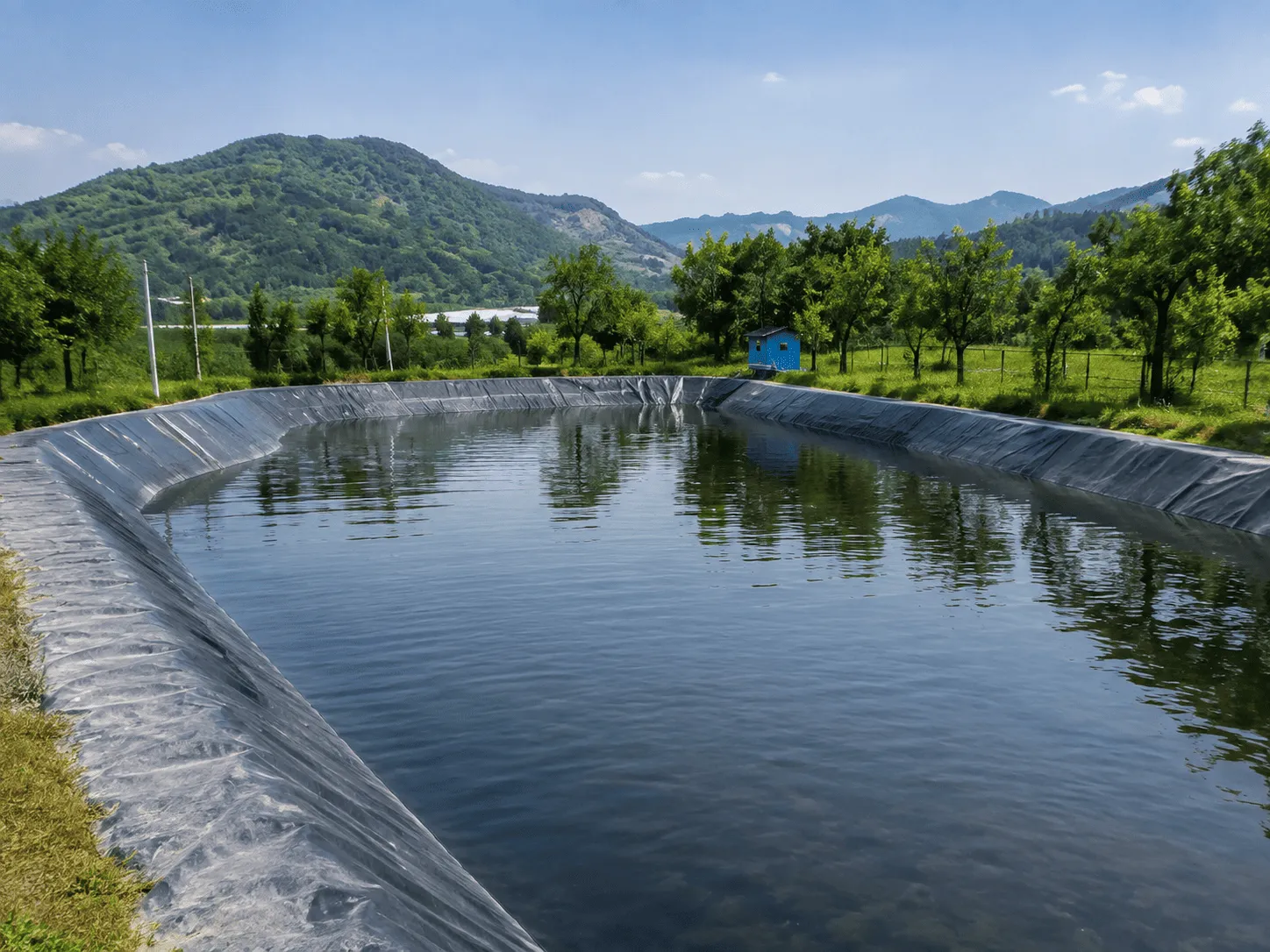
Agricultural and aquaculture projects use geosynthetics according to water-retention requirements, ground conditions, pond geometry and the protection needed around the lining system.
Geomembranes can be installed across prepared pond beds and side slopes where a low-permeability lining system is required.
Geotextiles can be placed beneath geomembranes to provide cushioning against prepared soil, stones or other irregularities in the subgrade.
Geomembranes can line selected irrigation ponds and storage basins where seepage through the underlying ground needs to be limited.
Geomembrane lining systems can be used in selected fish, shrimp and other aquaculture ponds where controlled water retention is required.
Geotextiles can be used at selected soil and aggregate interfaces where filtration or separation is required around pond banks, channels or related structures.
HDPE anchor plates provide weldable connection points where compatible HDPE lining systems meet concrete channels, walls, pits or other structures.
Agricultural water-storage and aquaculture systems can require several geosynthetic functions within the lining, protection and structural connection system.
Geomembranes provide low-permeability barrier layers that limit water loss through the underlying soil where a lined system is specified.
Geotextiles provide cushioning beneath or around geomembranes where contact with soil, stone or construction materials could damage the liner.
Geotextiles allow water to pass while retaining soil particles at selected soil, aggregate and drainage interfaces.
Geotextiles help keep soil, aggregate and other adjacent materials separated where different layers meet.
HDPE anchor plates provide a weldable interface between compatible HDPE lining systems and cast-in-place concrete structures.
The lining and protection arrangement varies according to water use, pond size, soil condition, hydraulic requirements and the surrounding structures.
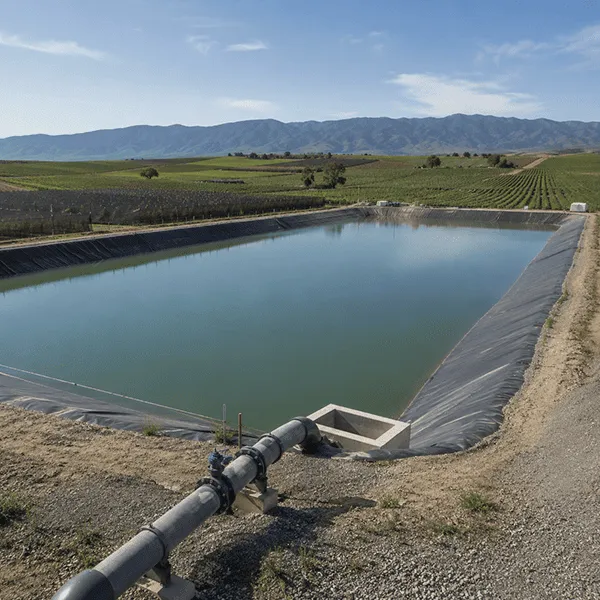
Geomembranes can line irrigation ponds where stored water needs to be separated from permeable ground.
Geomembrane lining systems can be used in selected aquaculture ponds where controlled water retention is required.
Geomembranes can provide barrier layers in agricultural water-storage reservoirs constructed on permeable or prepared ground.
Lined basins can be used for selected agricultural water collection, storage or distribution systems where seepage control is required.
Geomembranes can be incorporated into selected water-conveyance channels where seepage through the bed or side slopes needs to be limited.
Compatible HDPE liners and anchor plates can be used where the lining system needs to connect to concrete walls, channels, pits or other structural elements.
Agricultural and aquaculture projects may use different geosynthetic materials for water containment, liner protection, filtration and selected concrete connections.
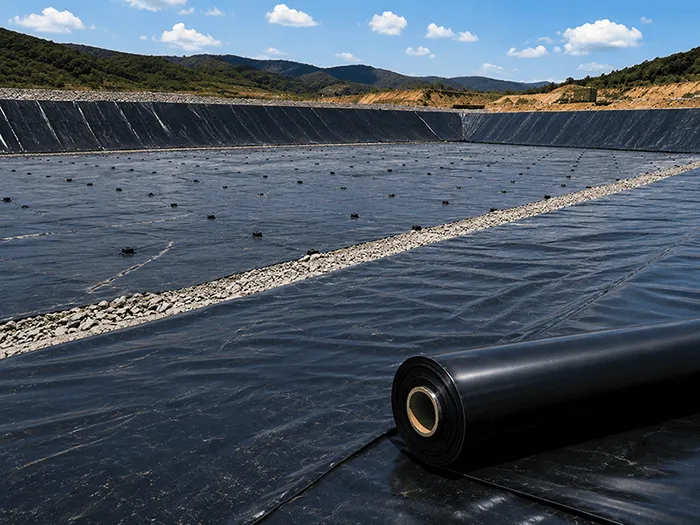
Used as barrier layers in lined ponds, reservoirs, basins and selected water-conveyance structures.
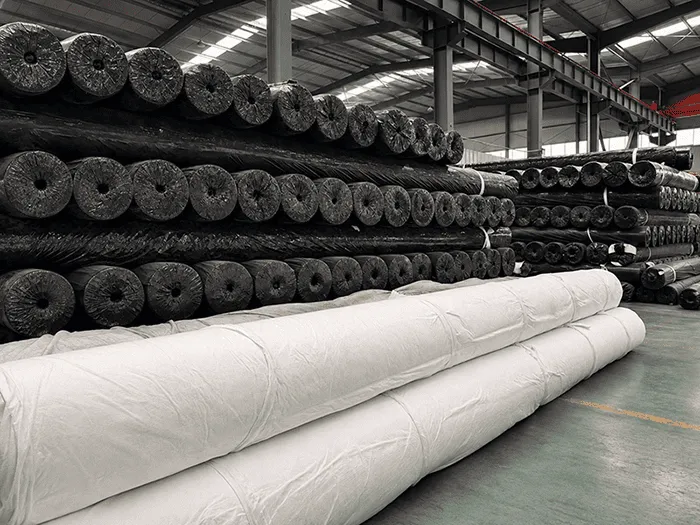
Used for geomembrane protection, filtration and separation around soil, aggregate and adjacent layers.
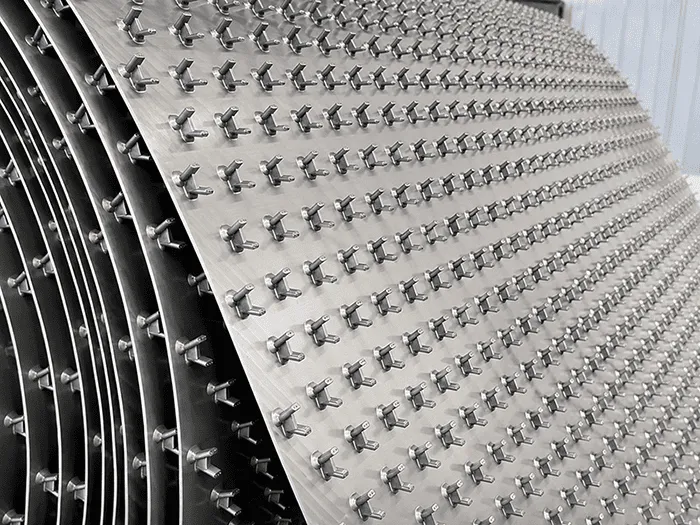
Used to create weldable connection points between compatible HDPE lining systems and concrete structures.
Lined agricultural and aquaculture systems can combine barrier, protection and connection materials, with each product performing a separate function.
The final material arrangement should follow the water-storage or aquaculture design, ground conditions, pond geometry, liner requirements and applicable project specification.
These details help us review the agricultural or aquaculture application, required materials, product specifications and order scope.
Agricultural and aquaculture projects can require large lining areas and several roll products. Product dimensions, packing and shipment planning should therefore be confirmed after the specifications, quantities and destination are established.
Roll width, roll length and unit weight depend on the selected product and specification.
Packing is confirmed according to the product type, transport method and agreed buyer requirements.
Roll labels and order identification can be prepared according to the confirmed order requirements.
Container loading should account for roll dimensions, unit weight and the combination of materials supplied for the project.
Commercial and shipment documents are prepared according to the confirmed order and agreed export requirements.
Destination port, project location, required delivery period and construction schedule should be provided during quotation so shipment planning can be discussed in advance.
Send us your product specifications, quantities or project requirements, and our team will prepare a suitable material recommendation and quotation.
Request a quote